
Social Media Marketing: The Key to Growing Your Business Online
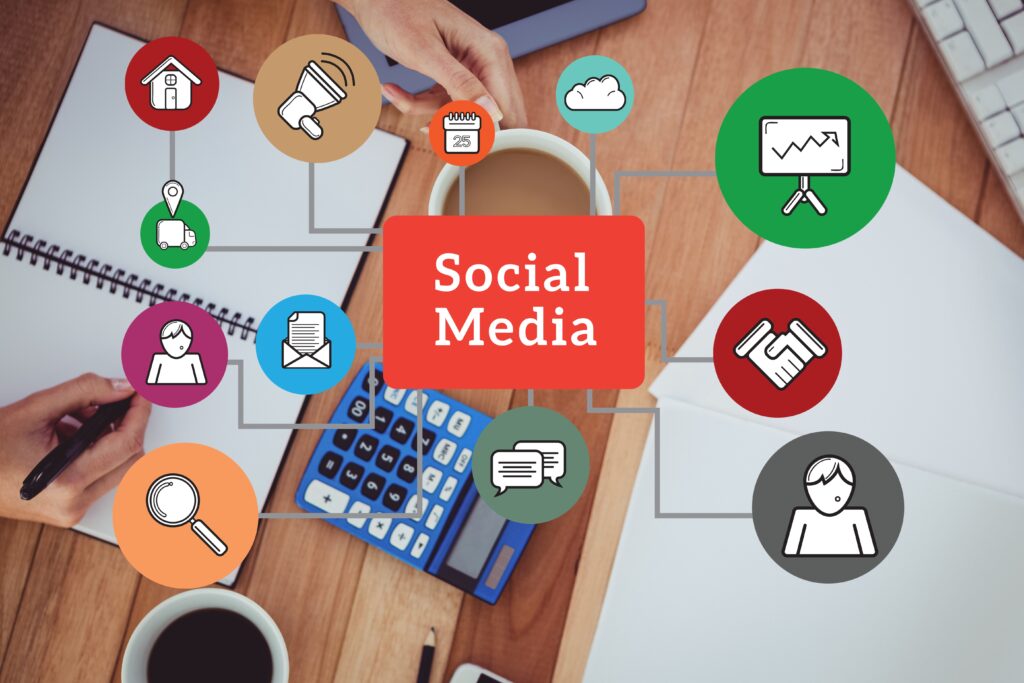
Blog Social Media Marketing: The Key to Growing Your Business Online DIGITAL MARKETING • SOCIAL MEDIA • BUSINESS GROWTH Social Media Marketing: How to Grow Your Business Online in 2026 Social media is no longer just a place to post photos and updates. Done strategically, it can help businesses build trust, reach new customers, drive website traffic and generate measurable growth. But here’s the part many businesses miss: having thousands of followers does not automatically mean having a successful business. The real question is whether your audience is becoming interested enough to visit, trust and eventually choose your brand. Whether you’re running a small business in the UK, building a startup in the US, growing a service company in Australia, or expanding an established brand from India into international markets, social media marketing can give your business a direct way to communicate with potential customers. But opening an Instagram, Facebook or LinkedIn account is not a strategy. Posting whenever you remember is not a strategy either. A successful social media marketing strategy connects your content, audience, website and business goals into one clear digital journey. The goal isn’t simply more followers. It’s the right audience, the right message and the right next step — whether that means reading your website, making an enquiry, booking a service or buying from your business. What You’ll Discover Why Social Media Marketing Matters 7 Benefits for Businesses Which Platform Is Right for You? How to Build a Social Media Strategy What Content Gets Attention? Social Media and SEO How to Reach Global Customers Common Mistakes to Avoid How to Measure Results Frequently Asked Questions Why Is Social Media Marketing Important for Business? Your customers are already spending time online. The opportunity is to meet them there with content that answers questions, solves problems and gives them a reason to remember your brand. A well-planned social media marketing strategy can support brand awareness, customer engagement, website traffic, lead generation and long-term customer relationships. For small businesses, social media can also create opportunities to reach customers beyond their immediate location. Australia’s government business guidance highlights social media as a way to connect with customers, build a business presence and explore opportunities in overseas markets. Your social media profile is not the destination. It is the doorway that brings people into your digital ecosystem. 7 Benefits of Social Media Marketing for Your Business 1 Build Brand Awareness Consistent and useful content helps people recognise your business and remember what you offer. 2 Reach New Customers Social platforms can put your products, services and expertise in front of audiences outside your existing network. 3 Build Trust Helpful posts, customer stories, reviews and educational content can make your business more credible. 4 Drive Website Traffic A strong social post can turn attention into visits to your blogs, service pages, landing pages and other useful resources. 5 Generate Leads Strategic calls-to-action can turn interested followers into enquiries, consultations and potential customers. 6 Support Your SEO Strategy Social distribution can help more people discover and share valuable content published on your website. 7 Understand Your Audience Engagement and analytics can reveal which topics and formats actually interest your target customers. Which Social Media Platform Is Best for Your Business? There is no universal “best” social media platform. The right choice depends on your audience, industry, content style and business objective. Platform Best Suited For Content Ideas LinkedIn B2B, professionals and service businesses Industry insights, case studies, expertise Instagram Visual brands, lifestyle and creative businesses Reels, carousels, stories Facebook Communities, local businesses and broad audiences Videos, updates, discussions YouTube Education, demonstrations and long-form content Tutorials, reviews, explainers Pinterest Visual discovery and website traffic Guides, graphics, inspiration TikTok Short-form discovery and younger audiences Short videos, storytelling, trends The important thing is not to create an account everywhere. It is to become consistently useful where your customers actually spend time. How to Create a Social Media Marketing Strategy That Works A good strategy begins before you publish your first post. Follow these steps to create a system instead of posting randomly. 1 Define Your Business Goal Do you want more brand awareness, website visitors, leads, sales, bookings or enquiries? Your goal determines the type of content you should create. 2 Understand Your Audience Identify your ideal customer, their problems, their questions, their buying behaviour and the platforms they use. 3 Choose the Right Platforms Focus on the platforms where your audience is most likely to engage. You don’t need to be everywhere to grow online. 4 Create Content Pillars Build repeatable themes around education, industry insights, customer stories, FAQs, behind-the-scenes content and your services. 5 Create a Content Calendar Plan your content in advance so your brand remains consistent instead of becoming active for one week and silent for the next. 6 Measure and Improve Track engagement, website traffic, enquiries and conversions. Then create more of what actually works. What Type of Social Media Content Gets People to Stop Scrolling? People don’t stop scrolling because a company says, “We provide high-quality services.” They stop because something is useful, surprising, relatable or relevant to them. How-To Content Teach your audience how to solve a problem they actually face. Problem-Solution Posts Start with a problem your customer recognises, then provide a practical solution. Case Studies Show the challenge, the approach and the outcome. Industry Insights Share useful observations instead of making every post a sales pitch. Short Videos Turn one useful idea into a Reel, Short or quick educational video. Questions & FAQs Answer real customer questions and turn them into evergreen content. A simple content rule: Educate enough to earn attention. Help enough to earn trust. Then make it easy for interested people to take the next step. Social Media Marketing and SEO: Why They Work Better Together Social media and search engine optimisation are different channels, but they can strengthen each other. Your social posts can introduce people to your website, while your website gives interested visitors deeper information. If someone discovers your
How a Professional Website Can Elevate Your Business Growth
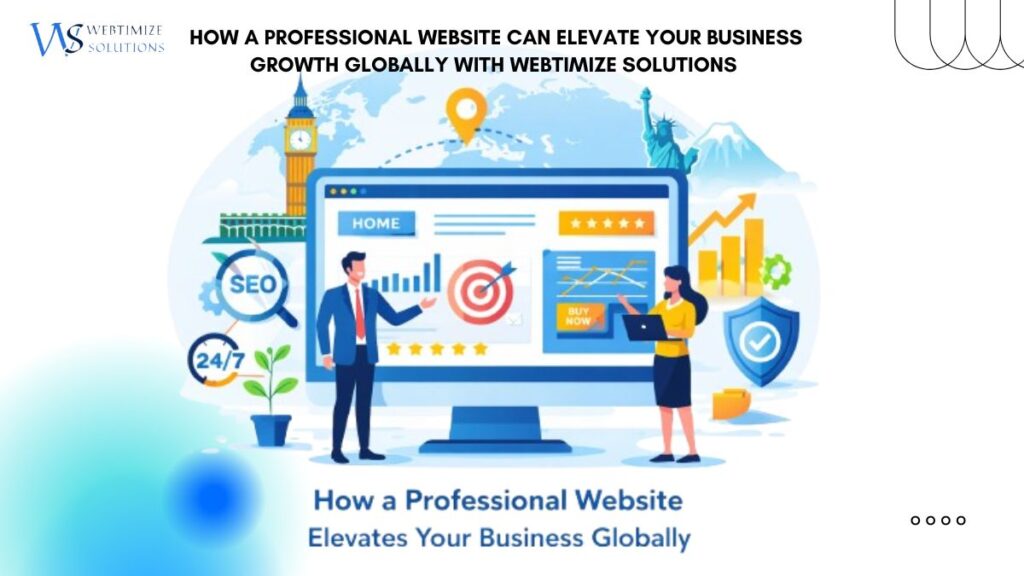
Blog How a Professional Website Can Elevate Your Business Growth Globally (2026) How a Professional Website Can Elevate Your Business Growth Globally (2026) In today’s digital-first economy, a professional business website is no longer optional. It is a powerful growth tool that helps businesses attract customers, build credibility, and compete effectively in UK, US, Europe, Japan, China, and global markets. A modern, responsive, and SEO-friendly website does more than showcase services — it converts visitors into leads, supports international visibility, and works as a 24/7 digital sales engine. Why Your Business Needs a Professional Website 1. First Impressions Build Instant Trust Your website is often the first interaction customers have with your brand. A clean layout, fast loading speed, and intuitive navigation create a strong first impression and instantly establish credibility. Businesses with modern websites are more likely to gain trust from international users who expect professional digital experiences. 2. Better Visibility on Google & Search Engines A professionally built website follows SEO best practices, helping your business rank higher on Google and other search engines. This increases organic traffic and allows you to compete globally without relying only on paid advertising. According to Google Search Central , SEO-friendly site structures make it easier for search engines to crawl, index, and rank web pages effectively. 3. 24/7 Availability for Global Customers Unlike a physical office, your website never closes. Customers from different time zones can explore your services, submit inquiries, or make purchases at any time. This constant availability helps businesses serve international markets without additional operational costs. 4. More Leads, Sales & Higher ROI With clear call-to-action buttons, engaging content, and conversion-focused design, a professional website turns visitors into qualified leads. Research by Forbes shows that optimized websites significantly improve lead generation and long-term return on investment. 5. Strong Brand Credibility & Authority A secure, informative, and well-designed website positions your business as trustworthy and reliable. In competitive global markets, businesses without professional websites often lose credibility. Studies published on Clutch confirm that customers trust companies more when they have a professional online presence. What We Do at Webtimize Solutions At Webtimize Solutions, we don’t just create websites — we build scalable digital growth platforms designed for performance, SEO, and global reach. Custom web development services using WordPress, Shopify & modern frameworks SEO-optimized website structures for higher rankings Conversion-focused UI/UX design AdSense-friendly and performance-optimized layouts Related Guides You May Find Useful SEO strategies for global website rankings Google AdSense approval & monetization guide Importance of responsive web design for business growth Trusted External Resources Google Search Central HubSpot Marketing Blog Forbes Business Insights Clutch Business Research Final Thoughts A professional website is not an expense — it is a long-term business investment. From increasing visibility to generating leads and building trust, a well-optimized website plays a critical role in global business success. Need Professional Website Development? Webtimize Solutions helps businesses build SEO-optimized, conversion-focused, and globally scalable websites designed for long-term growth. 📸 Instagram | 💼 LinkedIn RECENT POSTS 25 Dec 2025 How Generative AI is Transforming Web Development in 2026 23 Dec 2025 Best AI SEO Tools for UK & US Businesses (2026 Guide) 19 Dec 2025 Best Hosting For Small Business Websites – 2026 (global Guide) 13 Dec 2025 The Ultimate Digital Growth Blueprint (2026) POPULAR POSTS 25 Dec 2025 How Generative AI is Transforming Web Development in 2026 23 Dec 2025 Best AI SEO Tools for UK & US Businesses (2026 Guide) 19 Dec 2025 Best Hosting For Small Business Websites – 2026 (global Guide) 13 Dec 2025 The Ultimate Digital Growth Blueprint (2026) 11 Dec 2025 After AdSense Approval: How to Increase Views & Start Earning (2025 Expert Guide) 06 Dec 2025 Google AdSense Approval Guide 2026: Complete, Genuine & Updated Information 26 Nov 2025 SEO Strategy in 2025: Boost Your Website Ranking and Grow Your Business 19 Nov 2025 The Power of Responsive Web Design: Transforming User Experience & Business Growth 18 Nov 2025 Is SEO Dead in 2025? Has AI Killed SEO? The Truth You Must Know 03 Nov 2025 The Power of Digital Marketing for Small Business Growth 31 Oct 2025 7 Powerful Reasons Why Your Business Needs a Website Redesign 25 Oct 2025 Top Essential WordPress Plugins Every Website Needs in 2025 06 Oct 2025 Best Hosting Provider for Websites – Why Hostinger is the #1 Choice 01 Oct 2025 6 Key Strategies to Enhance Your Business Success Digitally 30 Sep 2025 Social Media Marketing: The Key to Growing Your Business Online 25 Sep 2025 How a Professional Website Can Elevate Your Business Growth 03 Sep 2025 Why UI/UX Design is Essential for Websites and Apps in 2025 28 Aug 2025 Top 7 Social Media Marketing Strategies for Small Businesses in 2025 28 Aug 2025 How SEO Helps Small Businesses Grow Online 02 Jul 2025 Why Every Business Needs a Website in 2025 FAQ (Frequently Asked Question) Q1.Why is a professional website important for business growth? A professional website builds trust, improves online visibility, and helps businesses attract more customers globally. It acts as a digital storefront that works 24/7 to generate leads and sales. Q2.How does a professional website help in SEO? A professionally built website follows SEO best practices such as fast loading speed, mobile responsiveness, clean code, and keyword optimization, which helps improve search engine rankings. Q3. . Can a professional website help attract international clients? Yes, a well-structured and SEO-optimized website helps reach global audiences, including customers from the UK, USA, Europe, Asia, and other international markets. Q4. How often should a business update its website? Regular updates such as adding blogs, updating services, and improving content help keep the website relevant, secure, and SEO-friendly. Q5. Is a professional website mobile-friendly? Yes, professional websites are designed to be fully responsive, ensuring a smooth user experience on mobile, tablet, and desktop devices. Q6. How does a website increase leads and sales? Through strategic design, clear call-to-action buttons, engaging content, and optimized landing pages, a professional website converts visitors
Why UI/UX Design is Essential for Websites and Apps in 2025
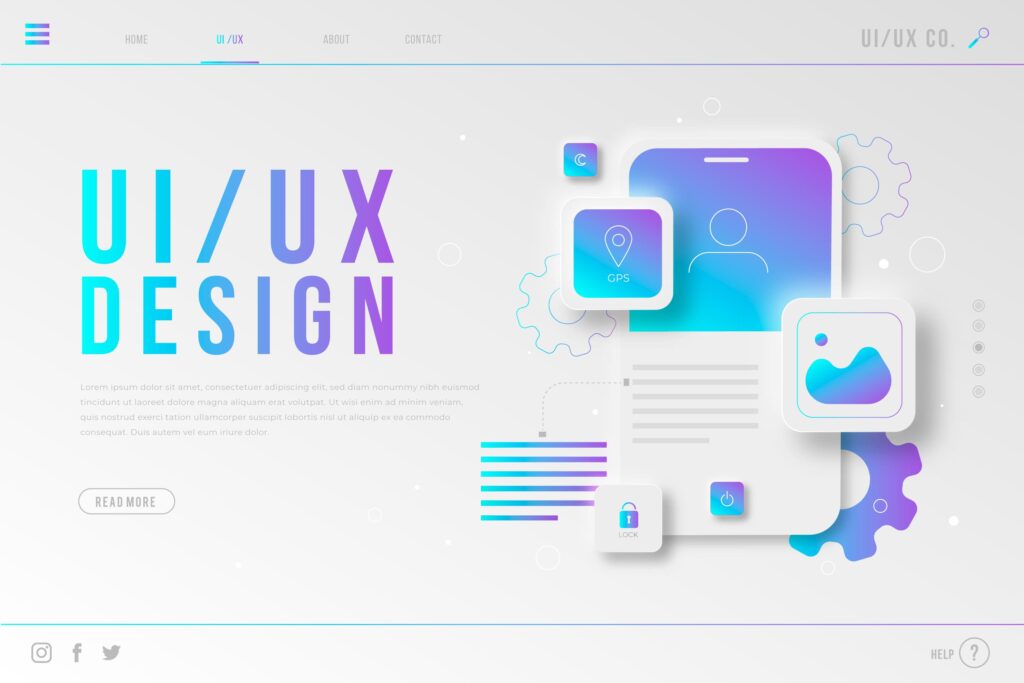
UI/UX DESIGN • WEBSITE • APP • CONVERSIONS Why UI/UX Design Matters in 2026: 7 Ways It Improves Websites & Apps A practical guide to user-friendly website design, mobile UX, accessibility, conversion-focused interfaces, trust and better digital experiences for modern businesses. Updated for 2026 • Webtimize Solutions 📌 In this guide What is UI/UX design? UI vs UX: what is the difference? Why UI/UX design is important in 2026 7 major benefits of UI/UX design How UI/UX design improves conversions Common UI/UX mistakes to avoid Website UI/UX checklist for 2026 UI/UX examples by industry Frequently asked questions Your website can look beautiful and still fail to convert. The difference is often the experience people have while using it. Good UI/UX design helps visitors understand what you offer, find information quickly, trust your brand and complete the next step without unnecessary friction. For businesses targeting the UK, India or international customers, UI/UX is increasingly part of the wider digital growth strategy. A professional website needs more than attractive colours and animations: it needs clear information architecture, intuitive navigation, accessible content, responsive layouts, fast interactions and conversion-focused journeys. What Is UI/UX Design? UI (User Interface) design focuses on the visual and interactive layer of a digital product. It includes typography, colours, spacing, buttons, forms, icons, images, cards, menus and other interface components. UX (User Experience) design looks at the wider journey: whether people can understand the website or app, find what they need, complete tasks easily and feel confident while doing so. Nielsen Norman Group describes UX as the broader relationship and interaction people have with a product, service or company—not simply how a screen looks and behaves. UI vs UX: What Is the Difference? UI Design UX Design Focuses on how the interface looks and behaves. Focuses on how the complete experience works. Includes colours, typography, buttons, icons and visual hierarchy. Includes research, user journeys, information architecture and usability. Creates a clear and consistent interface. Reduces confusion, effort and friction. Supports visual brand identity. Connects user needs with business goals. Simple way to remember it: UI is what users interact with; UX is how the whole interaction feels and works. Why Is UI/UX Design Important in 2026? In 2026, customers can compare businesses in seconds. A confusing menu, weak mobile layout, hard-to-read content or complicated enquiry form can create friction before a visitor understands your value. Google’s current guidance emphasises overall page experience, including Core Web Vitals, secure pages and good mobile presentation. Good page experience does not guarantee rankings, but it supports a better experience for users and aligns with what Google’s systems seek to reward. 7 Ways UI/UX Design Improves Websites and Apps 01 Creates a Strong First Impression A clear visual hierarchy, professional typography and consistent branding help visitors understand who you are and what you offer. Strong design can make a business feel more credible and easier to trust. 02 Makes Navigation Easier People should not have to search for basic information. Logical menus, descriptive headings, breadcrumbs, internal links and clear calls to action make it easier to move through a website. 03 Improves Mobile User Experience Responsive UI/UX is essential because people access websites across phones, tablets and desktops. Buttons need to be usable, text readable and important content easy to reach on smaller screens. 04 Supports More Conversions Conversion-focused UX removes unnecessary steps between interest and action. Clear CTAs, shorter forms, useful product information, trust signals and simple checkout flows can make it easier for visitors to enquire, book or buy. 05 Builds Brand Trust Consistency matters. When colours, spacing, typography, imagery, messaging and interactions feel coordinated, your website communicates professionalism and attention to detail. 06 Encourages Retention Good UX makes repeat tasks easier. Returning customers should be able to find products, services, account information or contact options without relearning the website each time. 07 Creates a Competitive Advantage When competing businesses offer similar products or services, the easier experience can become a meaningful differentiator. UX can help a brand feel clearer, faster and more customer-focused. How UI/UX Design Can Improve Website Conversions UI/UX design should connect user needs with business objectives. Instead of asking only “Does this page look good?”, ask “Can a visitor understand the offer, trust the business and complete the desired action?” Clear CTAs: tell visitors exactly what to do next. Simple forms: ask only for information that is genuinely needed. Strong content hierarchy: place the most important information where users can see it quickly. Trust signals: use reviews, credentials, policies, case studies and clear contact information where appropriate. Better product/service pages: explain benefits, features, pricing or next steps clearly. Friction-free navigation: reduce unnecessary clicks and confusing menu structures. For a broader look at how website design, speed, SEO and conversions work together, explore our 2026 website development guide. Common UI/UX Mistakes Businesses Should Avoid ❌ Cluttered Layouts Too many competing elements make it difficult to identify the main message or action. ❌ Complicated Navigation If visitors cannot find key pages quickly, they may leave before contacting you. ❌ Poor Mobile Design A desktop-first layout that breaks on mobile can create unnecessary friction. ❌ Weak Calls to Action Visitors should understand whether they should call, enquire, book, buy or learn more. ❌ Inconsistent Branding Different fonts, colours and button styles can make a website feel unfinished. ❌ Ignoring Accessibility Readable contrast, keyboard access, meaningful labels and sensible structure make interfaces more usable for more people. UI/UX Website Checklist for 2026 Before launching or redesigning a website, check whether it passes this practical UI/UX checklist: Navigation is simple and predictable. Every important page has a clear purpose and next action. The design works properly on mobile, tablet and desktop. Typography is readable and spacing creates a clear hierarchy. Buttons and links look clickable and use meaningful labels. Forms are short, clear and easy to complete. Images have useful alternative text where appropriate. The website uses HTTPS and follows sensible security practices. Pages are tested for speed and Core Web Vitals. Content
Top 7 Social Media Marketing Strategies for Small Businesses

SMALL BUSINESS • SOCIAL MEDIA • DIGITAL GROWTH Top 7 Social Media Marketing Strategies for Small Businesses A practical, evergreen guide to building visibility, reaching the right audience, creating content people care about and turning social media attention into meaningful business growth. Here’s the problem: many small businesses are posting more but growing less. The answer isn’t always more content — it’s a smarter strategy. 🎯 Reach the Right People Stop trying to reach everyone. Build content around the people most likely to need your product or service. 📱 Choose the Right Platform Focus your time on the channels where your audience actually searches, watches, engages and buys. 📈 Measure Business Results Look beyond likes and track traffic, enquiries, leads, conversions and customer actions. Social media marketing has become one of the most accessible ways for small businesses to build visibility online. A local company can reach customers in its own city, while an ambitious business can use the same platforms to connect with audiences across the UK, US, Australia, Canada and other international markets. But there is a big difference between having a social media presence and having a social media strategy that contributes to business growth. The strongest approach is not to chase every trend or publish on every platform. It is to understand your audience, choose the right channels, create genuinely useful content, build relationships and measure what actually moves the business forward. The goal isn’t simply to get more followers. The goal is to attract the right people, earn their attention, build trust and make the next step easy. What You’ll Learn 1. Define Your Target Audience 2. Choose the Right Social Platforms 3. Create Search-Friendly Valuable Content 4. Use Short-Form Video Strategically 5. Build a Consistent Brand 6. Build Community and Engagement 7. Measure, Optimise and Use Paid Social How to Reach UK & US Customers Social Media + SEO Common Mistakes FAQs Why Social Media Marketing Matters for Small Businesses Large companies may have bigger marketing teams and larger budgets, but small businesses have one major advantage: they can often communicate more personally and authentically. Social media gives small businesses an opportunity to show expertise, answer questions, demonstrate products, share customer experiences and create a recognisable brand without depending entirely on traditional advertising. Current small-business marketing guidance increasingly focuses on choosing fewer, more relevant platforms, building a sustainable content system and measuring business outcomes rather than vanity metrics. :contentReference[oaicite:1]{index=1} Your social media strategy should not exist just to fill a feed. It should give your business a reason to be discovered, remembered and trusted. 01 Define Your Target Audience Before You Create Content One of the most common mistakes in small business social media marketing is trying to speak to everyone. Your content becomes much more powerful when you know exactly who you want to attract and what matters to them. ✓ What problem are they trying to solve? ✓ What questions do they ask before buying? ✓ Which platforms do they actually use? ✓ What type of content do they save or share? ✓ What would make them trust your business? A UK-based service business may need strong local relevance and trust signals, while a US B2B company may focus more heavily on expertise, LinkedIn and lead generation. Your strategy should follow your audience — not whatever platform happens to be trending. 02 Choose the Right Social Media Platforms You do not need to maintain an active account on every social network. In fact, spreading a small team’s time across too many platforms can make every channel weaker. Recent UK small-business guidance also emphasises selecting platforms based on where the target audience actually spends time rather than trying to be everywhere. :contentReference[oaicite:2]{index=2} Platform Potential Business Use Content Examples Instagram Visual discovery, brands, services Reels, carousels, stories, product content Facebook Local reach and communities Videos, discussions, updates, offers LinkedIn B2B and professional services Insights, case studies, expertise YouTube Education and demonstrations Tutorials, explainers, reviews TikTok Short-form discovery Videos, storytelling, educational content Pinterest Visual discovery and referral traffic Guides, inspiration, graphics Better rule: Choose one primary platform and one secondary platform first. Build a system that works before expanding. 03 Create Valuable Content That People Actually Search For Social media is increasingly becoming part of the discovery journey. People use social platforms to find recommendations, products, businesses, tutorials and answers. That means your content should not only look good. It should also answer questions your target customers are actually asking. Build content around: ✓ Customer questions ✓ How-to advice ✓ Common mistakes ✓ Industry insights ✓ Case studies and results ✓ FAQs and buying guidance Use the language your customers naturally use. Include important keywords in captions, headings, profile descriptions and spoken video content when relevant — but never force keywords into content where they don’t belong. 04 Use Short-Form Video Without Chasing Every Trend Short-form video can help small businesses reach new audiences, demonstrate expertise and make complex ideas easier to understand. But the goal should not be to copy every viral trend. Build repeatable video formats that your business can realistically maintain. ✓ Answer one customer question ✓ Explain one useful concept ✓ Show how your product or service works ✓ Share a before-and-after or case study ✓ Turn an existing blog into several short videos Think series, not one-off videos. A repeatable format is easier to produce and easier for your audience to recognise. 05 Build a Consistent and Recognisable Brand Your social media profile should feel like the same business people encounter when they visit your website. Keep your visual identity, tone of voice, messaging and core positioning consistent enough that customers can recognise you across platforms. This is especially important when social media becomes the first step in a customer’s journey toward your website. If your website needs a stronger foundation for that journey, explore Webtimize Solutions’ website designing services . 06 Build Community — Don’t Just Broadcast Content A social media account should not feel like a digital
Why Businesses Without a Smart Website Are Being Ignored in 2026
Blog How Generative AI is Transforming Web Development in 2026 A global perspective on innovation, scalability, and practical implementation Why Businesses Without a Smart Website Are Being Ignored in 2026 In today’s digital-first world, people don’t search for phone numbers — they search for trust. Within seconds, visitors decide whether to engage or move on. In 2026, a website is not just an online presence. It works as a credibility system, SEO engine, and long-term revenue asset. Businesses that ignore this reality silently lose visibility and opportunities. This shift is deeply connected with how Generative AI is transforming web development and redefining digital expectations. Trust Is Built Before the First Conversation Modern users research deeply before contacting any brand. Website design, content clarity, and speed strongly influence trust and decision-making. Professional design builds instant credibility Fast loading improves user confidence Clear structure reduces bounce rate This is why UI/UX design and responsive web design are no longer optional. External research from Think With Google confirms that users form trust judgments within milliseconds of landing on a website. Search Visibility Drives Long-Term Revenue Search engines reward websites that deliver value, speed, and clarity. Without SEO foundations, businesses miss consistent organic traffic. High-intent organic visitors Better engagement metrics Long-term discoverability A structured SEO strategy combined with insights from AI-driven search evolution keeps websites competitive. Industry benchmarks by Moz highlight how technical SEO and content depth directly impact rankings and revenue. AI Is Redefining How Websites Perform AI-powered websites adapt content, personalize experiences, and analyze visitor behavior in real time. Static websites fail to meet modern expectations. AI chat assistants & smart automation Personalized content delivery Improved conversion optimization Businesses adopting AI early gain advantage, as explained in AI SEO tools for modern businesses. Full Control Beats Platform Dependency Social platforms change algorithms frequently, impacting reach and engagement. A website remains a controlled digital asset where brands own everything. Content ownership Visitor data access Conversion-focused journeys This control is essential for brands investing in social media marketing and growth strategies. Always Open: Websites Work 24/7 A website never sleeps. It builds trust, answers queries, and captures leads across time zones. Continuous visibility Automated lead capture Global accessibility When paired with professional website strategy, this availability converts visitors into customers. Content-Driven Websites Attract Premium Traffic Educational content increases authority, dwell time, and monetization potential. Higher engagement Better AdSense RPM Improved topical authority Before monetization, understand AdSense approval requirements and growth techniques from post-approval strategies. Strong Foundations Multiply Growth A future-ready website combines hosting, SEO, content, and performance optimization. Best hosting for business websites Choosing the right hosting provider Essential WordPress plugins Conclusion: Being Online Is Not Enough In 2026, businesses without smart websites are not competing — they are being ignored. Success depends on strategy, technology, and execution. Explore the complete roadmap in The Ultimate Digital Growth Blueprint (2026). At Webtimize Solutions, we build SEO-optimized, AI-ready, and revenue-focused websites. Visit: webtimizesolutions.com WhatsApp: +91-9793176997 We don’t just build websites — we build digital growth systems. RECENT POSTS 20 Jun 2026 Best Website Design Company in Varanasi (2026): A Complete Guide for Businesses 28 May 2026 Why Most Businesses Fail Online Without SEO in 2026 27 May 2026 Website Designing Company in Kanpur (2026) 02 May 2026 How I Earn ₹30,000/Month From Home (Real Method 2026 – Website Design & Freelancing) POPULAR POSTS 02 May 2026 How I Earn ₹30,000/Month From Home (Real Method 2026 – Website Design & Freelancing) 27 Apr 2026 AdSense Approval for New Website 2026: Beginner Guide (Get Approved Fast) 28 Apr 2026 How AI-Powered SEO Helped Small Businesses Grow in USA, UK & India (2026 Guide) 27 Apr 2026 2 Years of Webtimize Solutions: Late Nights, Real Growth & Clients from Around the World 31 Mar 2026 Who is the Founder of Webtimize Solutions? | How I Built My Web Development Business 16 Mar 2026 Why Google AdSense Rejects Websites? Top 10 Reasons in 2026 (Complete Guide) 23 Mar 2026 How Much Does a Website Cost in 2026? (UK, Canada & India – Save Up to 70%) 20 Jun 2026 Best Website Design Company in Varanasi (2026): A Complete Guide for Businesses 10 Mar 2026 Google Analytics vs Google Search Console for SEO: What’s the Difference? (2026 Guide) 09 Mar 2026 10 Google AdSense Rejection Reasons in 2026 (Fix Them & Get Approved Fast) 28 May 2026 Why Most Businesses Fail Online Without SEO in 2026 02 Mar 2026 What Is SEO? Complete Guide to On-Page, Off-Page & Technical SEO (2026) 27 May 2026 Website Designing Company in Kanpur (2026) 28 Feb 2026 Website Development Cost in Indira Nagar, Lucknow (2026 Price Breakdown) 27 Feb 2026 Website Development Cost in London 2026 – Real Pricing Guide for UK Businesses FAQ (Frequently Asked Question) Q1. What is Generative AI in web development? Generative AI uses artificial intelligence to create code, layouts, and content, helping developers build websites faster and more efficiently. Q2. Is Generative AI replacing web developers? No. Generative AI supports developers by automating repetitive tasks, while strategic planning and quality control still require human expertise. Q3. How does Generative AI improve website performance? AI helps optimize code, enhance UI/UX, and personalize content, resulting in faster loading speeds and better user experience. Q4. Is Generative AI suitable for small businesses? Yes. Generative AI reduces development time and costs, making advanced web solutions more accessible for startups and small businesses. Q5. Is AI-generated code safe for production websites? AI-generated code is safe when properly reviewed, tested, and optimized by experienced developers before deployment.